
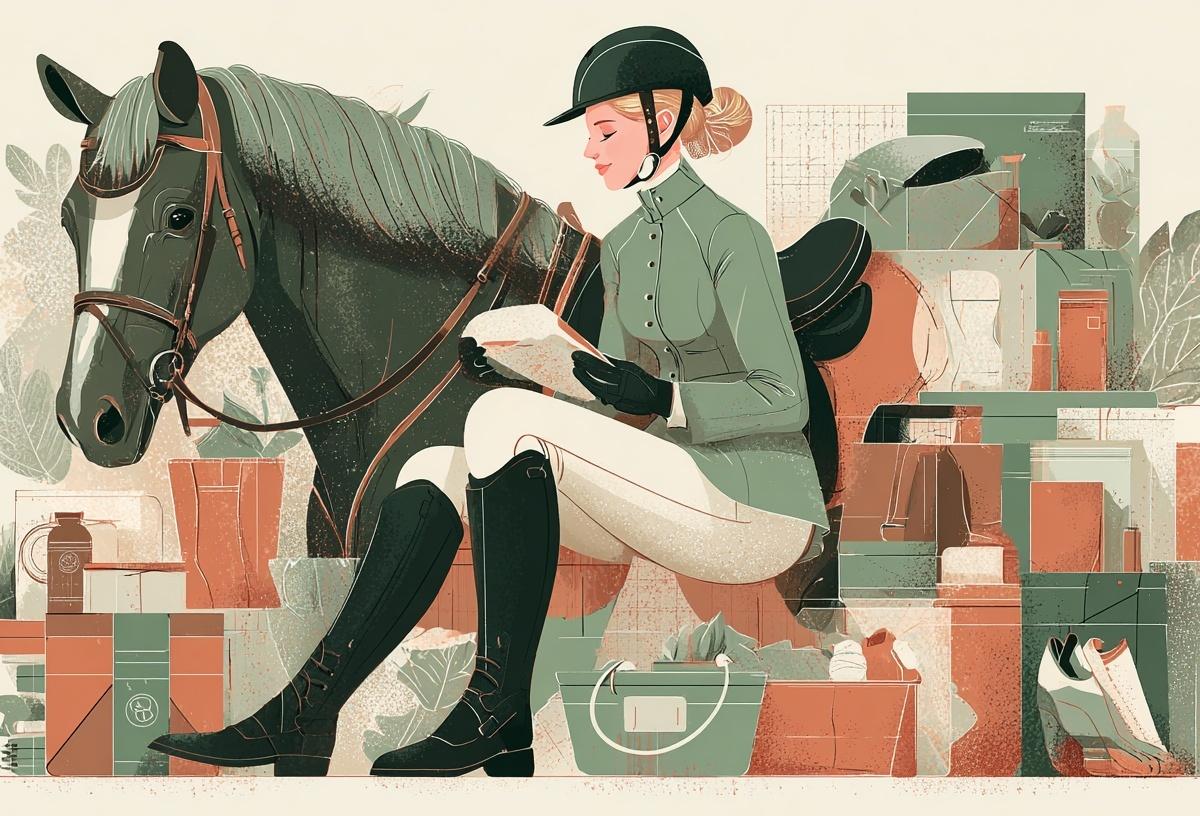
Preparing for a horse show takes much more than a good dressage session the day before. Between your horse's paperwork, the equipment, transport and coordinating with everyone involved around your horse, there are a thousand small details that can turn a wonderful day into a race against the clock. Here is a complete, practical checklist to approach your next competition with peace of mind.
Why preparing well for a horse show changes everything
When you have to prepare for a horse show in a rush, the stress inevitably falls back on the horse. A hurried departure, a forgotten headcollar, a vaccination record you cannot find at the show gate... these are all small tensions that come through in the saddle. On the other hand, early and methodical preparation leaves room for what matters: focus, the bond with your horse and the pleasure of competing.
The good news is that a well-thought-out checklist is enough to cover 90% of the unexpected. You do not need to be a seasoned professional used to the circuit: you simply need to plan ahead and leave nothing to chance.
The administrative checklist you must not forget
This is often the least fun part, but the most likely to stop you if forgotten. Many shows refuse the horse entry if the paperwork is not in order.
- Horse passport (identification document)
- Up-to-date vaccination record, with boosters within the required timeframes
- FFE licence or entry document depending on the discipline
- Confirmation of entry to the show
- Registration document and insurance for the trailer or lorry if you transport the horse yourself
- Contact details for your regular vet, in case they are needed on site
To avoid being caught off guard on vaccination, our article on the vaccination booster schedule helps you anticipate the regulatory timeframes before a competition.
The equipment checklist for the rider
We often think first of the horse's equipment, but the rider's gear deserves just as much attention. Nothing is worse than discovering a cracked helmet or boots that are too tight on the morning of the show.
- Show outfit compliant with the discipline's rules
- Approved helmet in good condition
- Body protector if required
- Permitted whip and spurs
- Spare clothes in case of rain or a fall
- Quick grooming kit: brush, pins, hair ties
The equipment checklist for the horse
For the horse, it is better to pack a dedicated bag a few days before departure rather than gathering everything at the last minute.
- Saddle, pad and bridle suited to the discipline
- Travel and work protection boots
- Rug suited to the day's weather
- Spare headcollar and lead rope
- Buckets, water and possibly hay for the journey
- First-aid kit: disinfectant, bandage, dressing
- The horse's usual feed, to avoid any sudden change in the ration on show day
If you are unsure about the ration to plan for a trip, our guide to calculating your horse's ration can help you adjust hay and concentrates without disrupting its habits.
The logistics and transport checklist
The journey is often the most underestimated source of stress. A poorly prepared trailer or a departure that is too late can put the whole day under strain.
- Check the trailer or lorry (tyres, brakes, oil level)
- Route and departure time calculated with a safety margin
- Booking a stable on site if needed
- Emergency contacts: farrier, vet, trailer owner
- A planned break to let the horse drink and relax on long journeys
Also remember to check the state of the shoes before leaving: recent or fragile shoeing can cause problems at a show. Our article on managing vet and farrier appointments helps you keep this tracking up to date all year round.
The show-day checklist
On the morning of the show, everything moves faster. Having a clear list, even a mental one, means you forget nothing under pressure.
- Check the horse's paperwork and entry file one last time
- Feed the horse while keeping to its usual schedule
- Load the equipment in the reverse order of its use
- Allow enough time to relax and warm up on site
- Keep your number bibs, the schedule and your class time within easy reach
A simple but valuable detail: note the approximate time of your round on your phone, so you are not caught out if the show runs ahead of schedule.
Organising preparation as a team
Many riders do not prepare for a show alone: owner, share-boarder, instructor or a friend who comes along with the trailer... Coordination between several people is often the weak link in good preparation. Who takes care of the equipment? Who checks the paperwork? Who drives the trailer?
Centralising this information avoids duplication and forgotten tasks. That is exactly what GaloPlan allows, by bringing the schedule, the care record and team exchanges together in one place. You can read our article on organising a team around a horse to go further on this topic.
If several people take turns caring for or riding the horse before the event, keeping track of the latest care and training also makes preparation easier. Our article on what to note in a horse care record gives you concrete reference points.
Anticipating the budget of a show
A show has a cost: entry, transport, possibly a stable on site, not to mention equipment upkeep. Taking the time to anticipate these expenses avoids last-minute unpleasant surprises. For a broader view of the costs involved with a horse, our article on the monthly budget of an owner can serve as a reference point.